The Latest
-
 Retrieved from Meta on April 16, 2026
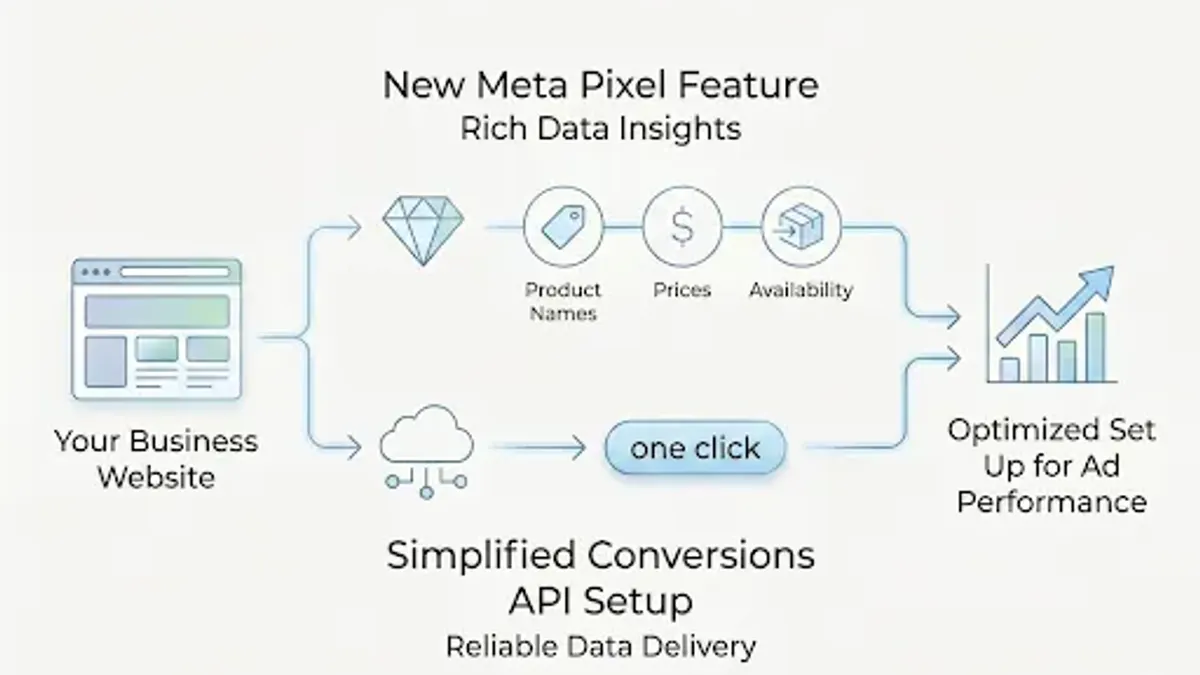
Meta simplifies ad performance elements
An artificial intelligence-enhanced setup will streamline Meta Pixel, while Conversions API gets a one-click option.
-
 Retrieved from LinkedIn on November 14, 2025
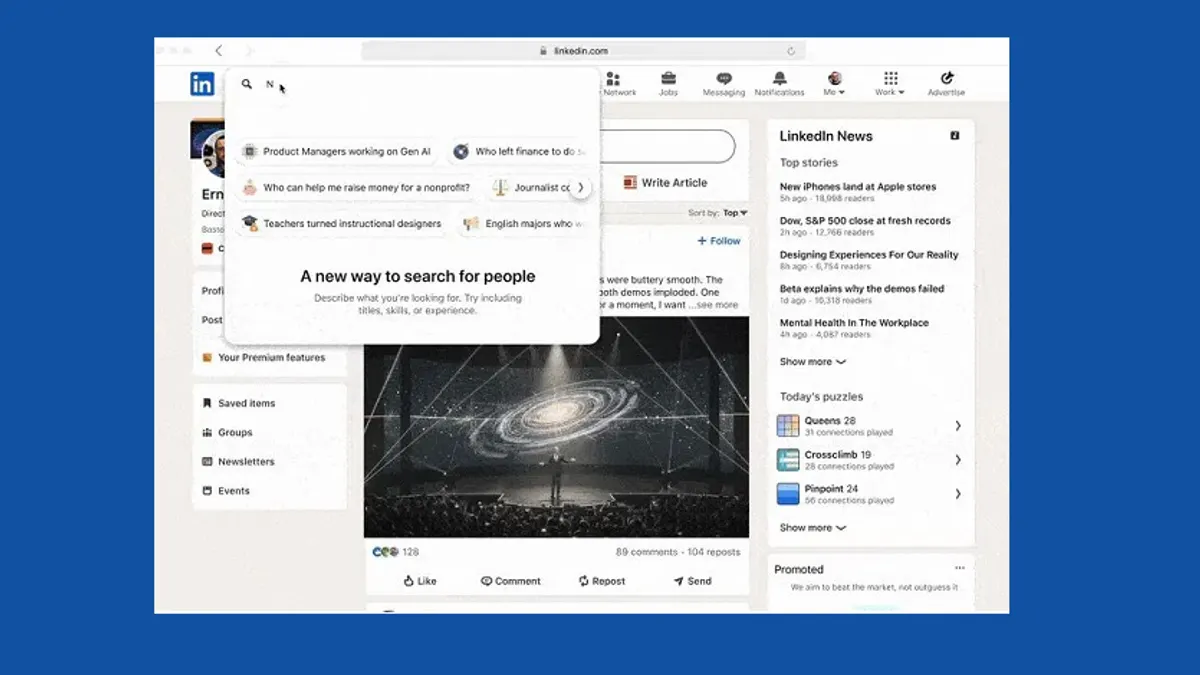
LinkedIn expands AI-powered conversational search
The feature launched to Premium members last year, and has been expanded site-wide so that all users can access improved query matching.
-
 Retrieved from Pew Research on April 16, 2026
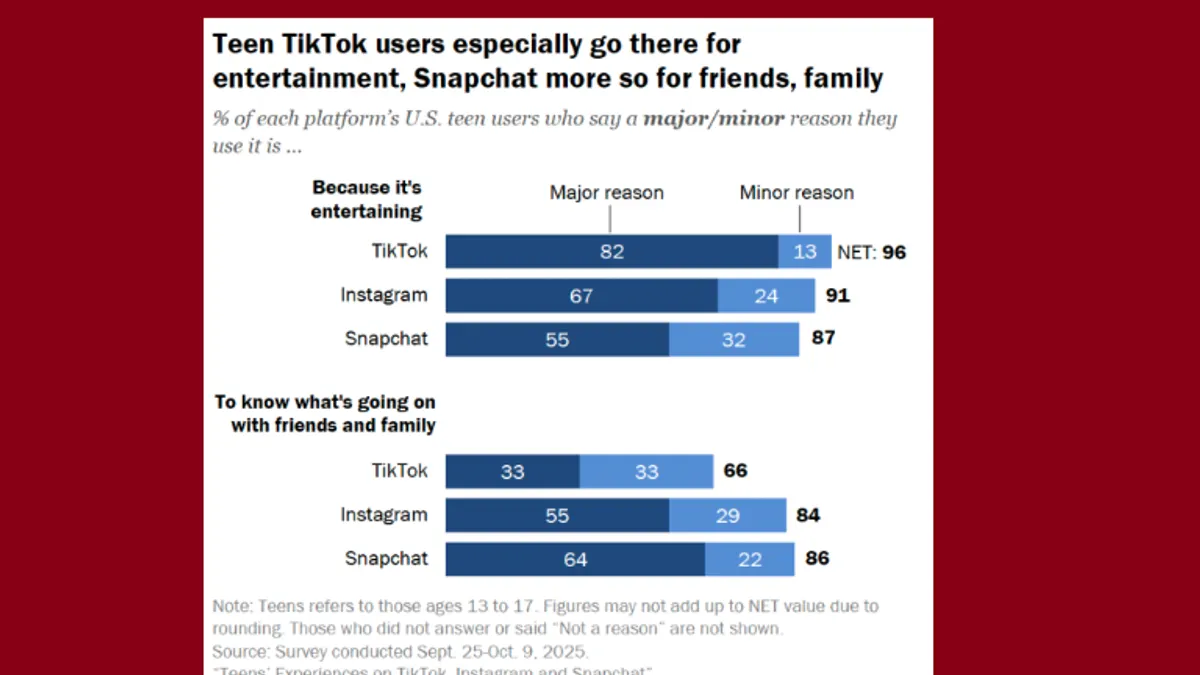
Social media has positive benefits for teens
A new study from Pew found that Snapchat, TikTok and Instagram played a critical role in keeping teens connected with friends, family and the world.
-
 Retrieved from Grok/X on February 25, 2025
Grok faced potential removal from the App Store
A new report from NBC said Apple privately threatened to take the artificial intelligence app off its platform in January due to deepfake nudification concerns.
-
 Courtesy of Pinterest
Pinterest’s latest ad campaign encourages people to get off social media
“The best thing you can find online is a reason to go offline,” according to new spots that will run across multiple media channels beginning in May.
-
 Getty Images
EU officials explore plans for teen social media bans
Emmanuel Macron, president of France, is spearheading an initiative to prohibit teens under age 15 from accessing the apps.
-
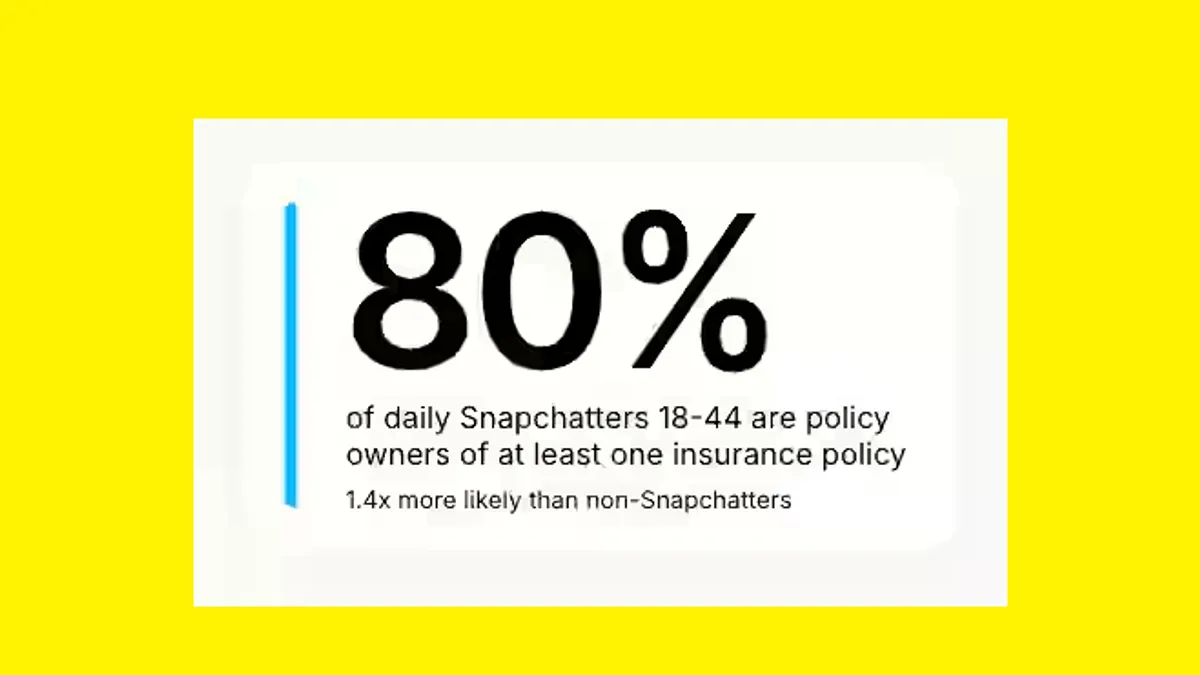 Retrieved from Snapchat on April 15, 2026
Snapchat highlights opportunities for insurance brands
A new study from Snap and Ipsos found that Snapchat users were more likely than nonusers to own at least one insurance policy.
-
 Retrieved from Threads on July 12, 2023
Meta updates Threads API with more third-party app integrations
Changes include new ways to schedule and publish content and manage engagement.
-
 Retrieved from Meta on April 15, 2026
Meta announces date for 2026 Conversations event
The annual messaging conference will be held June 3 and showcase artificial intelligence innovations and upgrades to WhatsApp, Messenger and IG Direct.
-
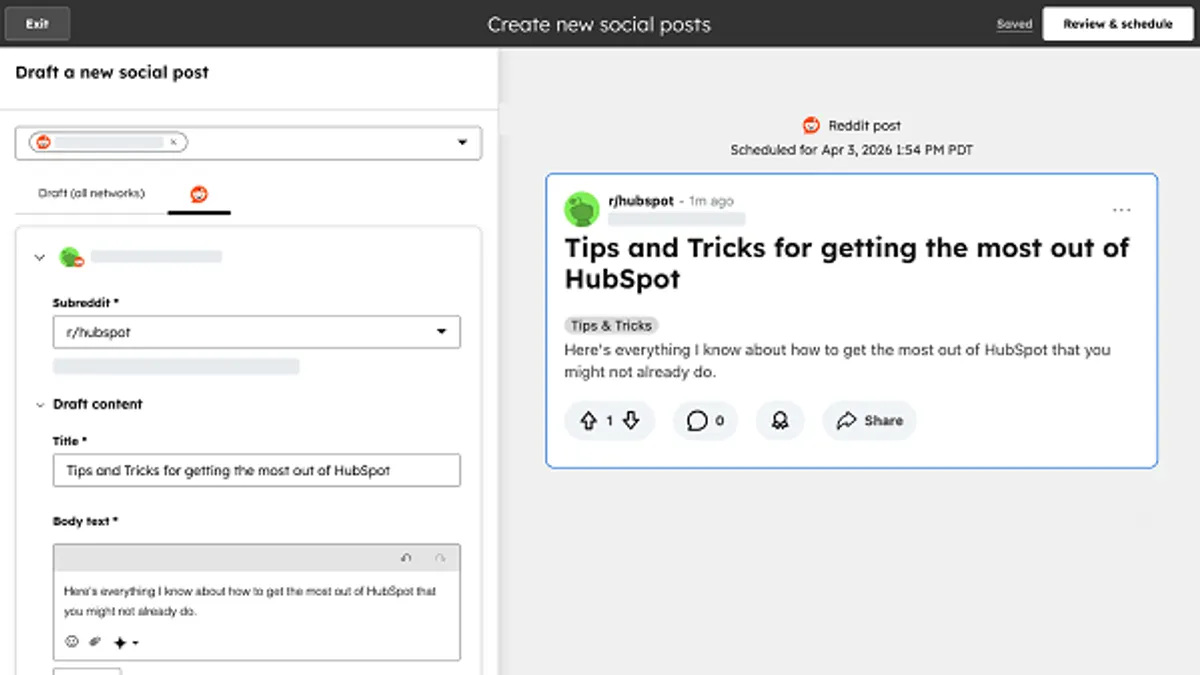 Retrieved from Reddit on April 15, 2026
Reddit launches new public beta integration with HubSpot
Linking the two platforms will enable streamlined post scheduling and access to advanced tracking and insight tools.
-
 Retrieved from YouTube on April 15, 2026
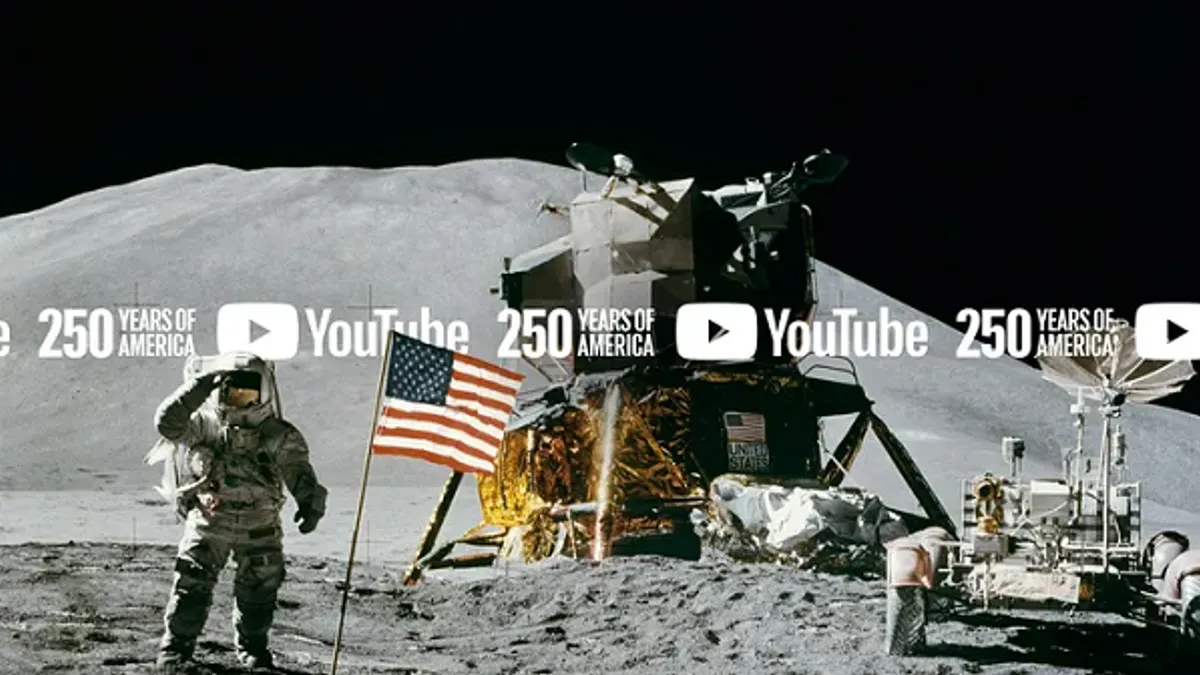
YouTube expands C-SPAN partnership
The move is part of a larger celebration honoring the 250th anniversary of the U.S. that will also include a new America 250 hub.
-
 Retrieved from ChatGPT (via prompt) on March 24, 2026
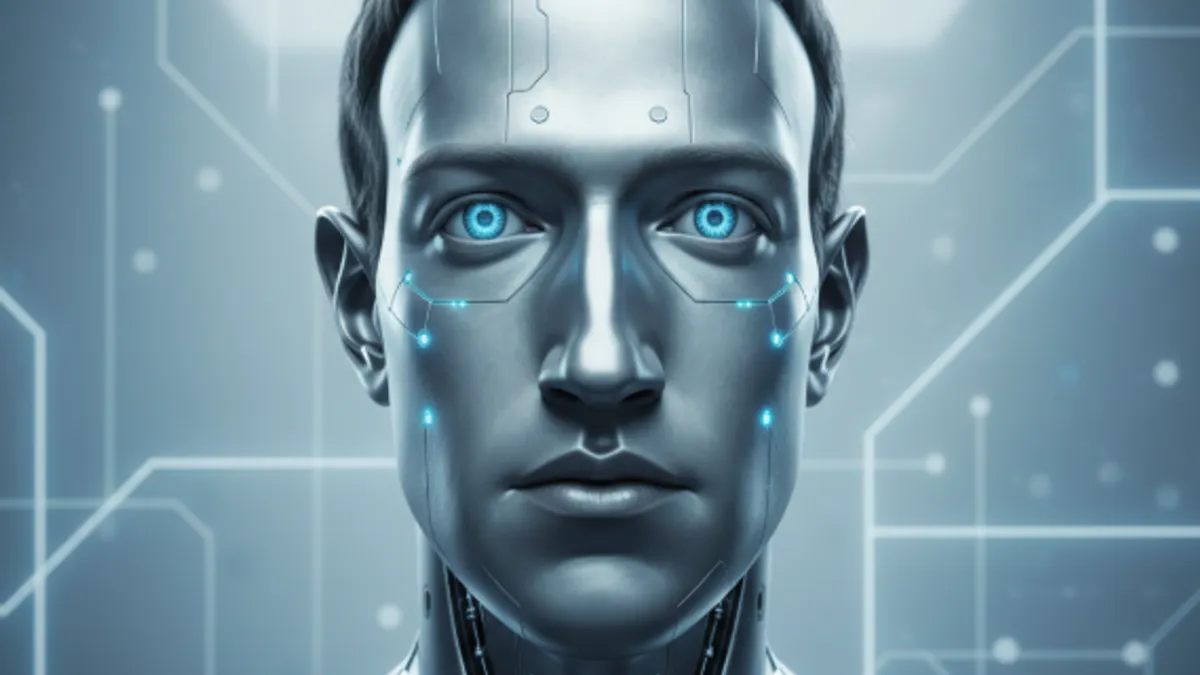
Mark Zuckerberg continues his pursuit of AI human clones
The Meta CEO is developing a replica of himself and training it on his mannerisms and conversation style, according to the Financial Times.
-
 Retrieved from TikTok on April 14, 2026
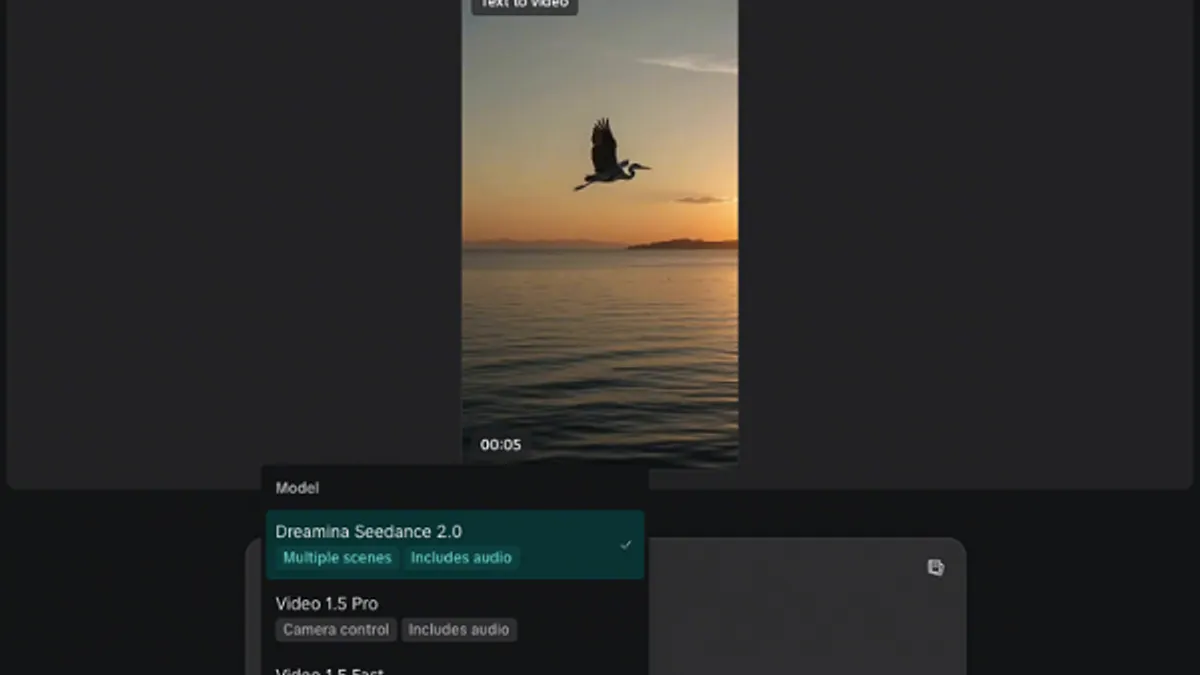
TikTok adds new AI video generation to Symphony ad tool kit
The Dreamina Seedance 2.0 artificial intelligence model from parent company ByteDance is able to create realistic content from text prompts.
-
 Retrieved from YouTube on April 14, 2026
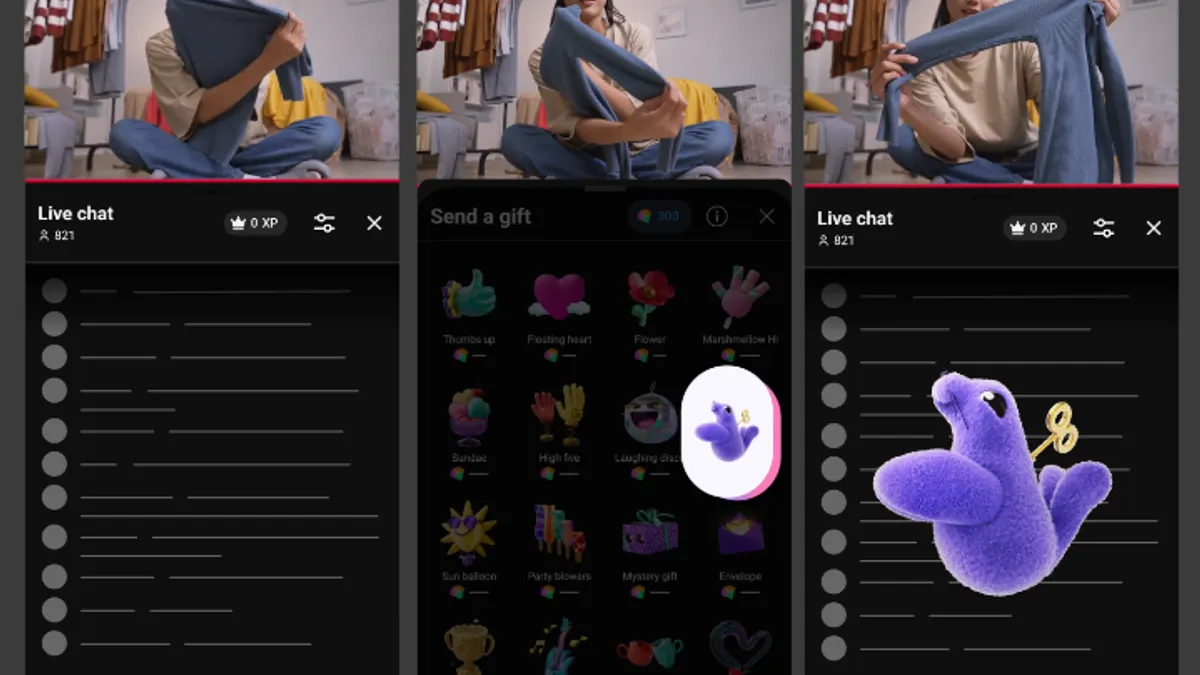
4 new engagement options for YouTube creators
The platform announced updated gift access, ad-free windows and the ability to customize streams for multiple screens.
-
 Getty Images
NiemanLab offers advice for posting news on X
In addition, X’s Head of Product Nikita Bier offered advice on how publications can better engage with the app’s user base.
-
 Retrieved from Reddit on April 14, 2026
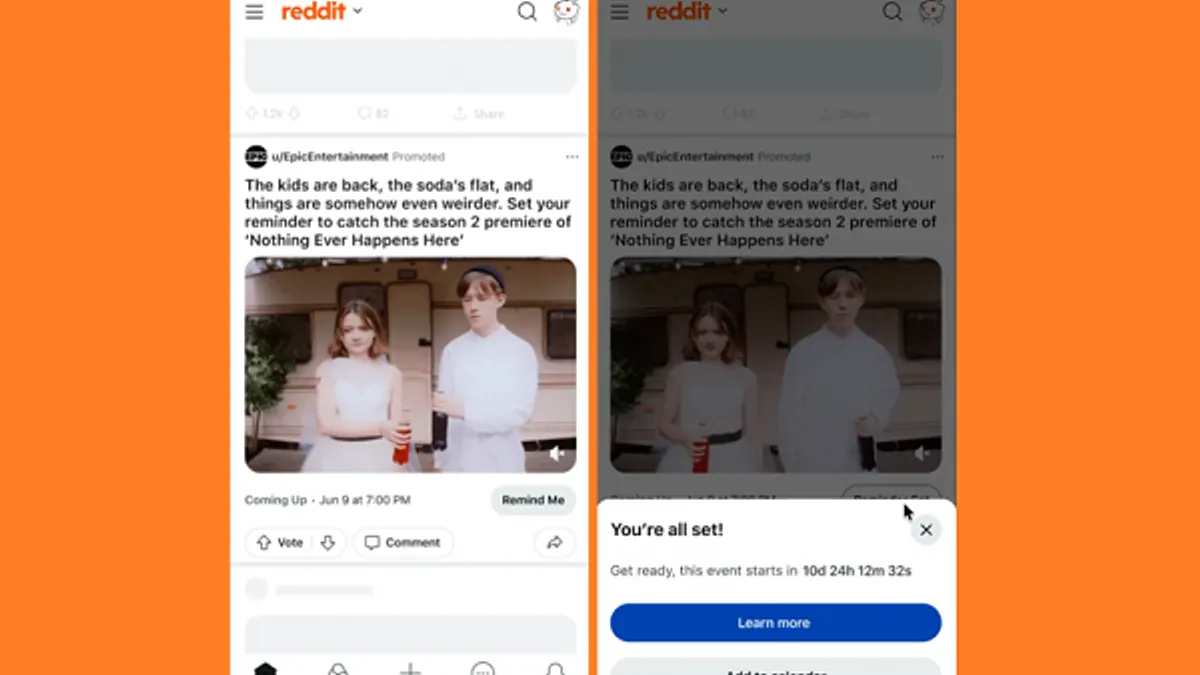
Reddit expands Reminder Ads globally
Advertisers can use a call-to-action button to send interested users prompts before an event or launch in order to drive more engagement ahead of promotions.
-
 Getty Images
Most EU residents don’t trust firms in the US or China with their data
A new survey from Politico found that the vast majority of EU web users trust tech companies in their home region significantly more.
-
 Retrieved from TikTok on August 04, 2020
TikTok publishes first transparency report on EU hate speech removal
The publication is part of the platform’s compliance work with the EU Digital Services Act under the EU Code of Conduct on Countering Illegal Hate Speech Online.
-
 Retrieved from YouTube on April 11, 2023
YouTube to increase the cost of its Premium service
The platform is raising individual prices by $2 per month and family prices by $4 per month, with the rate hikes set to take effect in June, according to 9 to 5 Google.
-
 Retrieved from Snapchat on April 13, 2026
Snap partners with Qualcomm on Specs hardware
The AR development arm of Snapchat’s parent company announced a multi-year strategic deal to power its upcoming wearables products.
-
 Alamy
Alamy
Meta removes ads that encourage litigation against the company
Facebook and Instagram ads from U.S. law firms including Morgan & Morgan and Sokolove Law have been deactivated, according to Axios.
-
 Retrieved from X on April 10, 2026
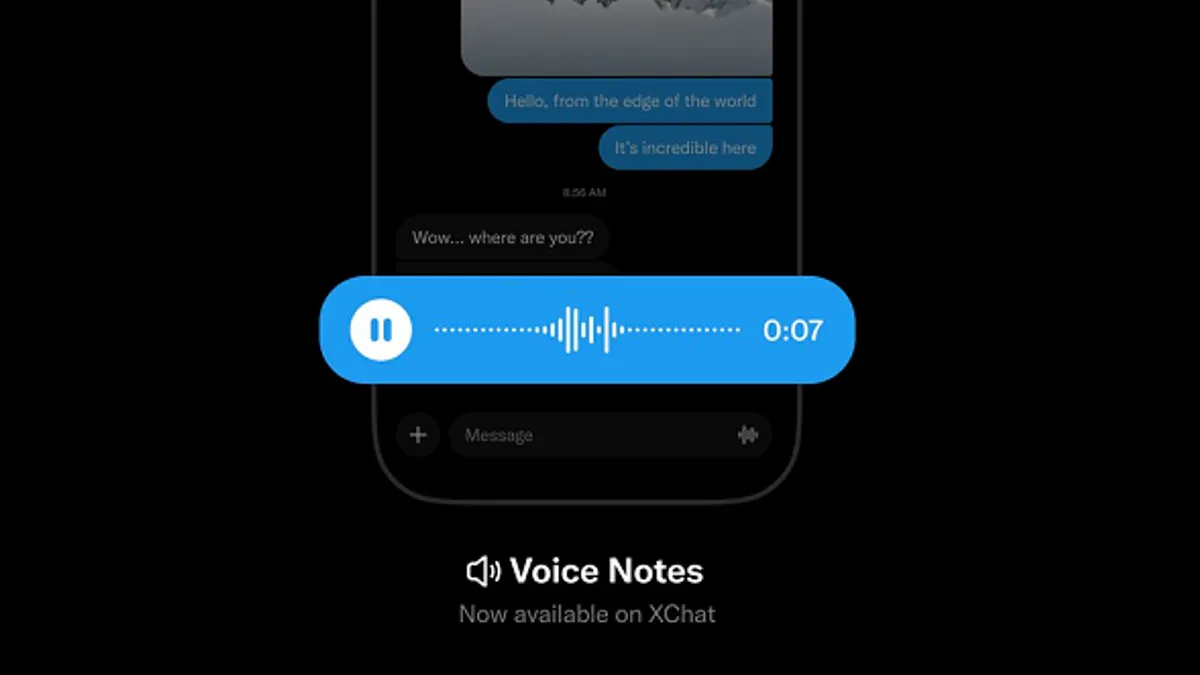
X brings back DM voice replies
The feature was added to Twitter in 2020 but was removed in 2025 as part of a larger platform reconstruction.
-
 Retrieved from TikTok on April 10, 2026
TikTok launches education program with International Chamber of Commerce
The digital training initiative is designed to help small businesses in Latin America, Africa and Southeast Asia with promotions and sales.
-
 Courtesy of Meta
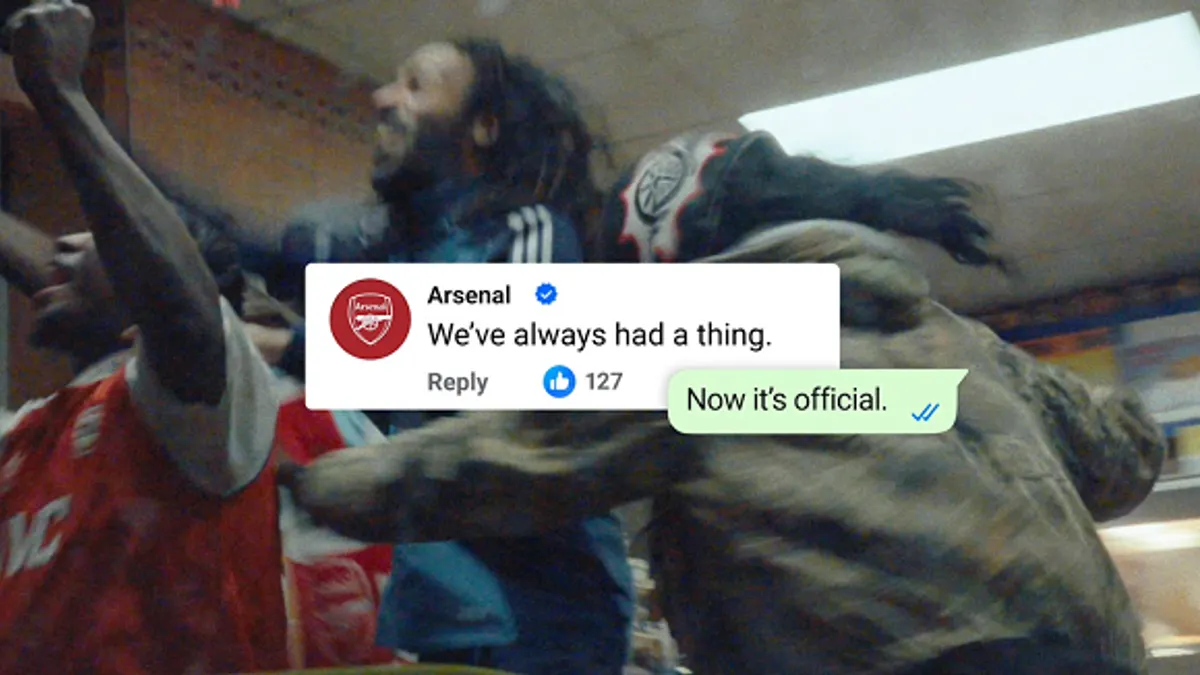
WhatsApp partners with Arsenal Football Club
The deal launched with a documentary premiere and will include exclusive digital experiences for fans in the official WhatsApp Channel.
-
Retrieved from TikTok on August 04, 2020
TikTok is building a second $1.2B data center in Finland
The development is part of Project Clover, an initiative designed to store EU user data outside of the company’s home base in China in compliance with EU directives.