UPDATE (3/19): After Quest users expressed their frustration at this announcement, Meta said that the VR version of Horizon Worlds will continue to function in "maintenance mode" for the foreseeable future. So, essentially, it will be available, but Meta will no longer be developing it, and will provide minimal support for the VR social platform.
While I’ve long believed that Meta would maintain its long-term VR vision, and the future of virtual reality as a key connective platform, it certainly seems like it's looking to move on from the concept that was once the apple of CEO Mark Zuckerberg’s eye.
This week, Meta announced that it's shutting down the VR version of Horizon Worlds, its social environment for users of its Quest VR headsets.
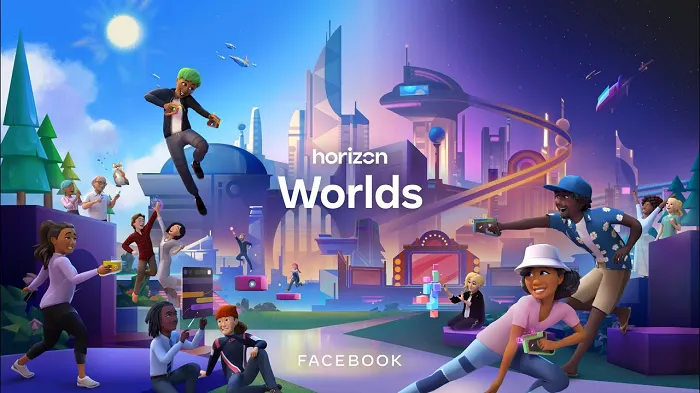
Meta launched the first iteration of Horizon Worlds back in 2020, as part of its broader metaverse push, with the view that it would eventually provide the social platform for VR users, where Quest users would interact, via their Meta avatars, within a fully immersive space.
But Horizon has faced challenges, in regards to user safety, VR adoption and overall lack of interest. And with Meta now investing hundreds of billions of dollars into the development of its artificial intelligence tools, it seems like Horizon is no longer a priority, nor, seemingly, is the broader concept of the metaverse, and building the next plane of digital engagement.
Well, at least in that context. Zuckerberg’s vision for the next plane of digital engagement now appears to be AI bots, and the capacity for people to interact with AI characters and agents to undertake all sorts of tasks.
That’s why Meta is investing more than $600 billion into AI development over the next three years, and within that broader realignment around what’s next, Meta is also looking to reduce costs and complexity in line with this approach.
According to Reuters, Meta is also planning to cut 20% of its staff, while it’s also scaled back all non-AI projects, including its Reality Labs division, which manages its VR projects.
Some of those jobs will presumably be replaced with AI agents, as Meta looks for proof of concept of the potential value of its AI tools. And maybe, in the longer term, that will end up being the best bet for the business, as it looks to build more responsive, intelligent AI tools for varying purpose. However some of its other bets, like the metaverse, which was once its main focus, and the reason for its corporate re-brand, appear likely to be casualties.
It’s a major shift for Zuck and Co., who just a few years ago, presented an all-hour-long overview of its vision for the VR future.
The metaverse, Zuckerberg said in 2021, would be the next generation of connection, the “embodied internet,” and the logical progression of technology to enhance our experience.
But now, AI is the focus, which may not bode well for Zuckerberg’s foresight, and the potential for another change in that vision of the future.
I mean, Meta has spent over $100 billion on VR development, and it’s seemingly now abandoning that entirely. What’s to say that AI, if Meta fails to achieve its “superintelligence” goals, won’t be the same?
Horizon Worlds, meanwhile, will live on for now as a mobile app experience, but you can bet that it also won’t last much longer, as the company looks to get us all engaging with friendly AI bots in its apps.