Instagram is one of the most influential social media platforms in the world, with more than 3 billion monthly active users.
That makes it a key focus for brands. The platform provides reach to niche interest communities and users looking for a wide range of products and services.
So long as you can find the right audience.
Winning on Instagram can be challenging for brands because it requires creativity to capture attention and get the right message in front of the right users at the right time.
Here are five key tips for building an effective brand presence on IG in 2026.
1. Examine trends
Marketers can use Instagram’s existing search tools to look for top or recent posts by keyword. Marketers can also find the most active users within each niche.
This can take some digging, however. An easier way would be to use Meta AI, which lets users pose conversational queries about key trends. Meta AI can offer a range of notes about what to dig into, which could help to streamline the trend discovery process and provide more guidance on the top influencers and content in each topic segment.
Combining manual search with artificial intelligence-generated overviews could provide a general guide to the key trends in any industry niche.
2. Consider influencers
Short-form video is what’s driving the most engagement on IG in 2026. To be successful in short-form engagement, marketers need to have an intimate knowledge of what’s resonating, as well as a level of creativity in order to tap into these trends.
Another approach on this front could be to partner with relevant influencers on promotions. These creators are already in tune with what’s working and what appeals to the audience the brand is trying to reach.
Meta AI can provide an overview of key influencers by region and topic, which can guide any influencer marketing approach. Meta AI will also provide summary notes on what’s working with content.
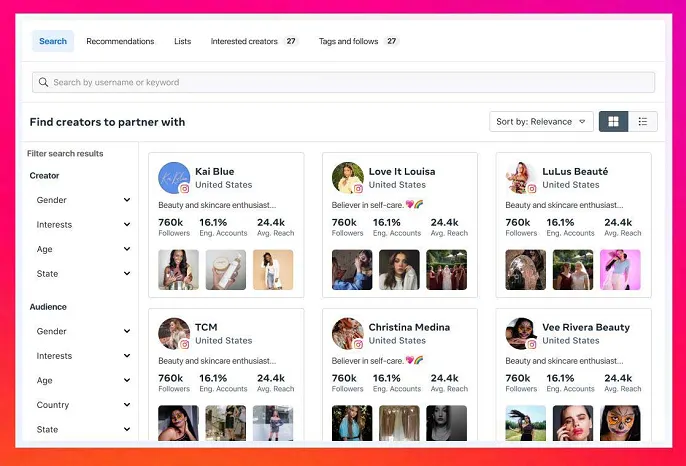
In addition to this, marketers can search for relevant influencers by topic in Instagram’s Creator Marketplace, which also provides notes on recent engagement stats and audience make-up.
3. Note what’s working
With this combined research, marketers can formulate a strategic outline based on what’s working in their niche.
Even if a brand doesn’t choose to work with influencers, the research on this element will provide more guidance on what’s resonating. Meanwhile, marketers should also explore comment sections to see what questions are being asked because brands may be able to answer those questions in their content.
4. Formulate a strategy
These strategic notes can form the basis of an organic Instagram strategy, while also providing more insight into what people are asking about in the app.
The guidelines should also provide clear guidance on content formats and approaches, based on actual data being provided by IG users.
5. Analyze and improve
Once a strategic approach is in place, marketers can use Instagram Insights to examine what’s working and what’s not, and double down on the best approaches while culling others.
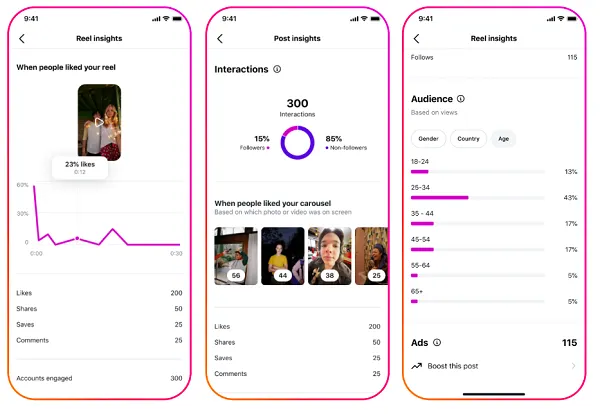
Measuring direct response to organic IG posts is difficult, but marketers should ensure that they’re focused on the right metrics that are more likely to drive sales, such as interactions and profile activity.
As a bonus, Instagram recently published a complete overview of posting to Instagram Stories, including notes on how to use all of the key Stories features.