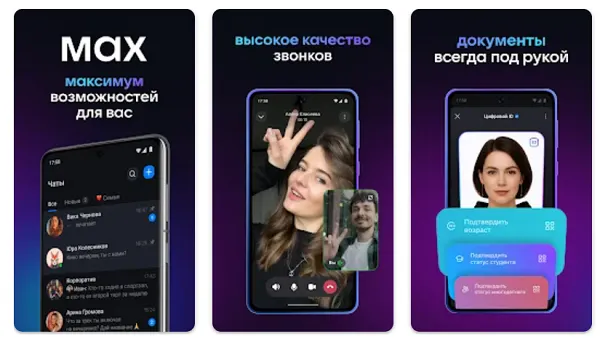
As part of its continued effort to force citizens onto its government-owned messaging app, Russia has today blocked access to WhatsApp, Facebook and Instagram in the nation, while YouTube access has also been impacted, as it seeks to implement more control over what Russians see in social and messaging apps.
The move is the latest in a series of restrictions on foreign-owned platforms, which Russian authorities have deemed as “extremist” providers, with Telegram and Snapchat also forced out of the Russian market.
As reported by The Financial Times: “Russian authorities removed [WhatsApp], which had at least 100 million users in the country until recently, from the equivalent of an online directory run by Roskomnadzor, the internet regulator, earlier on Wednesday. That step essentially erases WhatsApp from Russia’s internet, making it nearly impossible to access the service without elaborate workarounds.”
FT also reported that Facebook and Instagram were also removed from the directory, which means that they’re now only accessible via VPNs in the nation.
(Also worth noting that LinkedIn, X and TikTok were already restricted in Russia before these latest moves)
Over the past year, Russian authorities have been pushing citizens to use the government-owned Max app instead, which was developed by the Kremlin, and is being heavily promoted in the region.
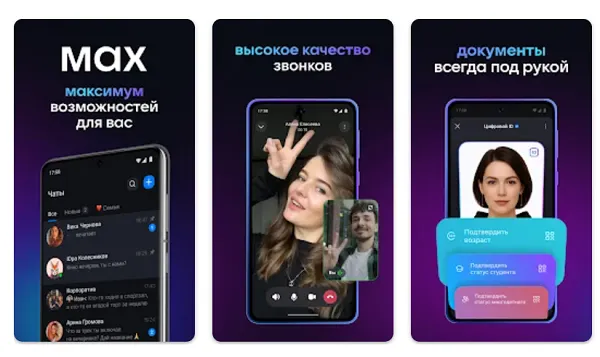
In August last year, Russian authorities deemed that Max must be pre-installed on all new phones, with these latest restrictions being the next step in implementing broader usage of its own app.
Critics have suggested that the Kremlin may be looking to use the Max app to conduct mass surveillance, while also restricting freedoms in the region. But with Russian authorities contending with conflicting reports coming from outside the nation, it’s now taking bigger steps to control local media inputs, and ensure that only government-approved messaging reaches its citizens.
It’s a significant blow for Meta, which will lose access to over a hundred million users in the region, if these bans can’t be overturned.
Though the bigger casualty is access to non-partisan reporting and insight, which will leave many Russian citizens less informed about what’s happening outside their borders.
It's another demonstration of the power that social media now wields in our modern communications environment, and the significance of social apps as informational tools.