TikTok announced a range of updates at its third Safety and Innovation Summit last week, including a new tool that helps users identify artificial intelligence-generated content, a likeness detection feature to protect creator IP and new tools and resources for parents and schools.
First, TikTok announced a new AI transparency tool that will enable users to check if an image or video has been created using its AI tools.
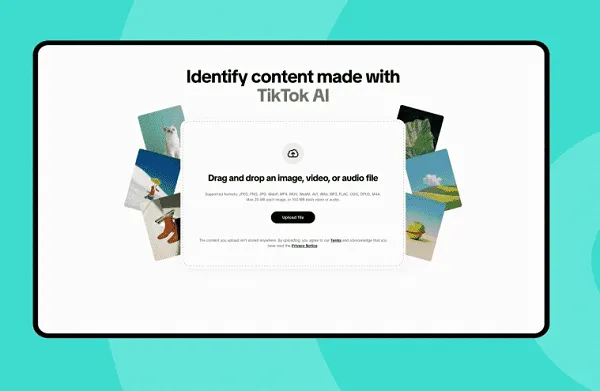
As explained by TikTok: “People can upload an image or video to see whether it was generated or edited with TikTok’s AI creation features, even if they don’t have a TikTok account.”
The process will check the image or video for signs of TikTok’s digital watermarking on AI-generated content, providing another means to verify content in the app. That could also help to stop the spread of misinformation and harmful content.
TikTok said the tool is now available via its Transparency Center.
TikTok also announced a likeness detection tool that enables creators to verify their likeness, which will then facilitate image cross-matching against incoming uploads.
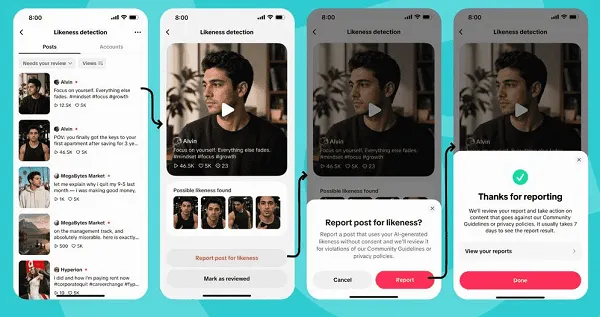
TikTok said creators will verify their ID with a trusted third-party partner, which will empower the system to detect and raise awareness of content that includes their image.
“They can report content directly to our safety teams,” the company said. “Content that violates our community guidelines against harmful, misleading or nonconsensual depiction of private individuals will be removed.”
The tool is now available to eligible creators and public figures.
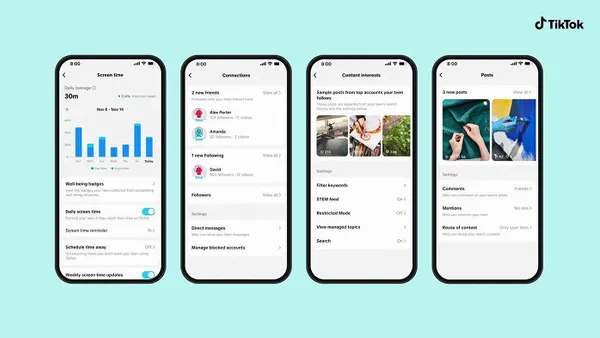
TikTok also announced updates to its Family Pairing process, in order to give parents more visibility into how their teens are using the app and who they’re connecting with.
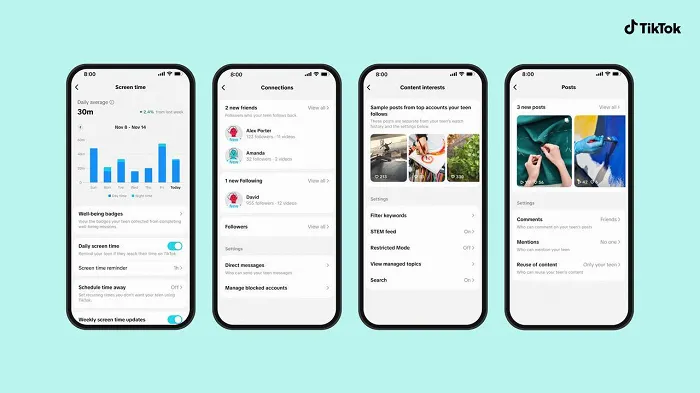
TikTok's updated Family Pairing also now includes more data on what kids are posting, as well as a new element that will enable parents to see what their kids are being shown in the app.
As explained by TikTok: “Parents can watch a sample of content from verified creators their teen follows, providing a snapshot of the communities and topic areas shaping their experience. More than 80% of parents of teens that we spoke to told us they want this kind of feature.”
TikTok also made its screen time element more prominent to help ensure that parents are aware of how much time their kids are spending in the app, and when in the day they’re active.
TikTok said it’s also working with leading experts to build a new alert for parents, which will let them know if their teen makes repeated searches for known terms related to self-harm.
“This notification will let them know that their teen may have tried to find potentially harmful content and provide thoughtful, expert-backed guidance on how to check in and start a conversation,” TikTok said.
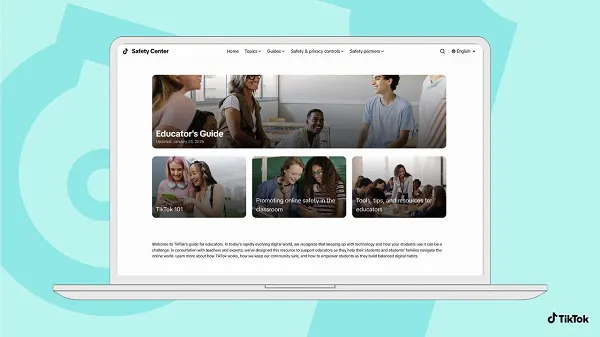
Finally, TikTok launched a new Educator's Guide, which will provide teachers with additional resources to help advise teens on mindful social media usage behaviors.
These additional AI insight tools and the new parental experience controls should offer more ways for people to understand what’s happening in the app.
That could also provide more assurance for parents. And with more regions considering teen social media bans, additional understanding could also help TikTok reduce negative sentiment around the app.