LinkedIn has added another measure to combat artificial intelligence-generated content, with the platform now taking aim at AI-generated comments.
As explained by LinkedIn Chief Product Officer Hari Srinivasan, the platform recently updated its detection and classifiers for post comments, which should see AI-generated comments receive less exposure in-stream.
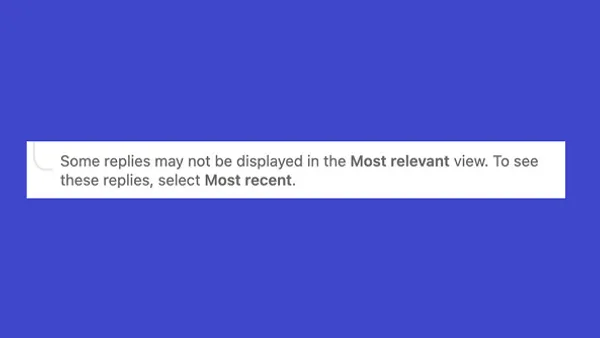
First, LinkedIn has added new classifiers to determine the relevance of comments, and flag suspected AI comments as less valuable. That means when users view the comments display with “most relevant” ranking active by default, they’ll see fewer AI slop comments.
LinkedIn also improved its notification systems in order to ensure that content creators are only alerted to “high-quality comments you're likely to care about,” Srinivasan said.
So, rather than eliminating suspected AI-generated replies entirely, LinkedIn is working to re-rank them and reduce their presence.
Which Srinivasan said is working: “In testing we’re already seeing a >20% reduction in views of slop comments, and they will be rolled out to everyone soon.”
It’s the latest in LinkedIn’s evolving battle against AI slop, which comes after users complained that content generated by internal and external AI tools was overwhelming the LinkedIn feed and impacting the integrity of the platform.
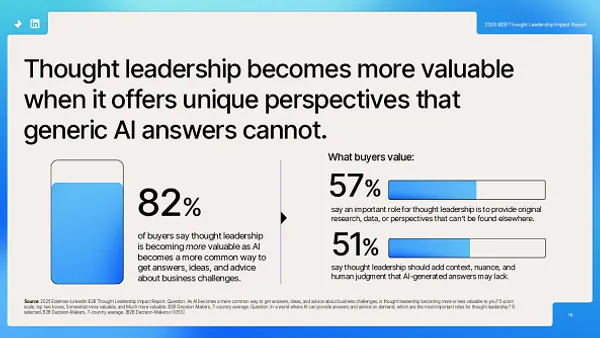
Platform integrity has become an increasingly important signal in the AI era, because AI chatbots, which are being used by more and more people for discovery, are more likely to refer to platforms that have some form of user vetting and validation of content.
That’s why Reddit is highly cited in AI chatbot responses, based on crowd-sourced upvotes and creator history. LinkedIn, with its likes, comments and creator follower counts, has also become one of the top sources for AI chatbot citations.
It's keen to maintain that presence, which is another reason why it’s improving its AI slop detection tools, while it's also cracking down on inauthentic activity and pushing for members to verify their personal info as another trust signal.
In August, LinkedIn became the first social media platform to introduce an AI slop reporting option for in-stream posts. Within the first three weeks of this being available, more than one million people had tapped on this option.
LinkedIn has since rebranded its AI-powered post enhancement option as a post "proofreader" in an attempt to reframe what it sees as an acceptable, valuable use of AI tools.
An interesting consideration here is that LinkedIn is likely leading the way in terms of combating the rise of AI slop, and that all platforms will likely need to enact similar filters and ranking tools.
Which could be especially difficult for some. Meta, which is all-in on AI, won’t want to impede its use, while TikTok is also heavily invested in AI tools, as is X. Given the massive financial outlay required to implement generative AI features, it seems counterproductive for these platforms to then also limit the presence of AI content in their apps.
But as LinkedIn is showing, this is not only what users want, but may also help to enhance the relevance of the platform by weeding out inauthentic activity.