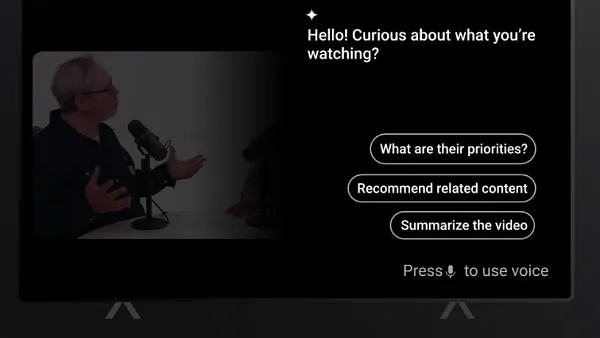
YouTube is adding another element in its challenge to traditional TV with the launch of new channels that will stream topic-related content 24/7.
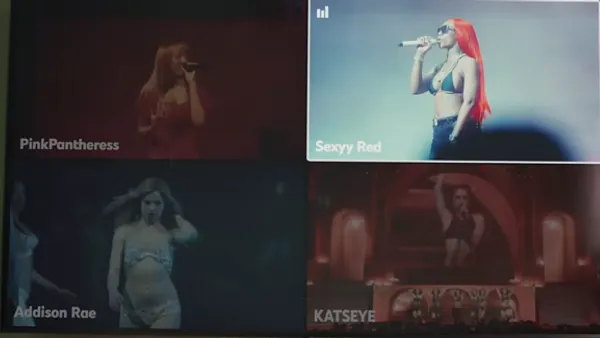
YouTube is piloting the approach with its coverage of the upcoming Coachella Festival, which is being held in California next week. As has become the norm, YouTube will provide a live stream of the concert event, but this year, YouTube will also host a constantly streaming channel of Coachella content.
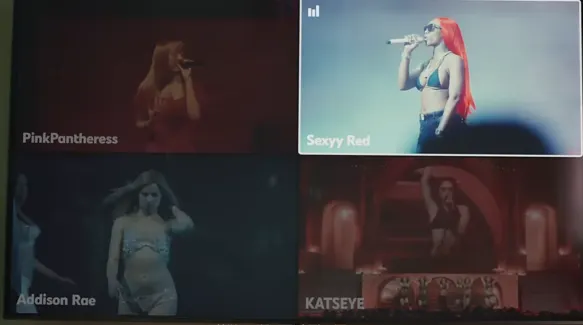
As explained by YouTube: “In addition to the festival livestream, fans will have access to ‘Coachella TV,’ a 24/7 interactive and uninterrupted music viewing experience featuring both iconic archival performances and 2026 festival highlights. The station will be updated with performance highlights following each weekend.”
As reported by The Verge, this is part of a new initiative that will eventually see the platform stream a range of topical content on different TV-style channels, offering another alternative to traditional television.
As per The Verge: “YouTube quietly started testing these stations with around 40 bands and musicians in recent weeks, and plans to make the feature available widely in the future.”
The process will eventually enable all YouTube creators to create their own channels by building playlists that can then be used as the foundation for a 24/7 stream of their content.
This could help YouTube further encroach on traditional TV viewing, which is an avenue where it’s already making significant inroads.
In February 2024, YouTube reported that its users were watching more than a billion hours of YouTube content on their home TV sets every day. Meanwhile, according to Nielsen, YouTube is now the top streaming platform by watch time in the U.S., with almost as much watch time as both Netflix and Disney+ combined.
The data suggests that YouTube has already become a major alternative for traditional TV viewing, and the addition of YouTube channels could further eat into this by catering to more passive viewing behaviors.
It seems like a logical step, and one that will eventually make YouTube the go-to destination for the next generation of video consumers.