Meta announced that it will end feature development for its Quest 2 and Quest Pro VR devices by March 2027 as the company looks to the next stage of virtual reality development. The announcement comes ahead of the launch of its Meta VR glasses, which are set to launch next spring.
Meta’s Quest 2 device was launched in 2022, which was shortly after the company announced a broad-ranging metaverse vision that was centered around VR connection.
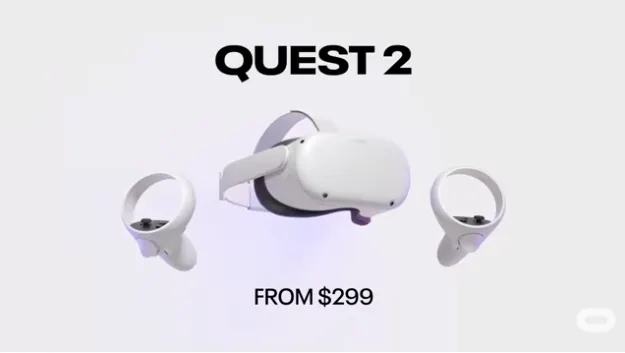
The Quest Pro was the evolution of this and included more advanced technology to enhance the VR experience.
Both devices, however, became less of a priority for the company over time as Meta shifted its attention to generative artificial intelligence. As a result, Quest headsets became something of an afterthought, with Meta now putting an end date on its support of its once-lauded device.
Meta said that feature development for both devices will end with v213, which will reach all devices in March.
“New OS features, platform capabilities, and APIs released after v213 will only be available on Quest 3, Quest 3S, and newer devices,” Meta said. “After v213, we’ll keep shipping security patches and critical bug fixes through the end of 2027.”
Meta noted that apps that support Quest 2 and Quest Pro will still be submittable through December 2027, which will be the final cut-off date for Quest 2 support.
That will leave Quest 3, which Meta launched in 2023, as Meta’s final supported VR device, at least until the company launches its next-level VR glasses next year.
Meta recently previewed the coming VR device, which impressed analysts at its Connect 2026 event.
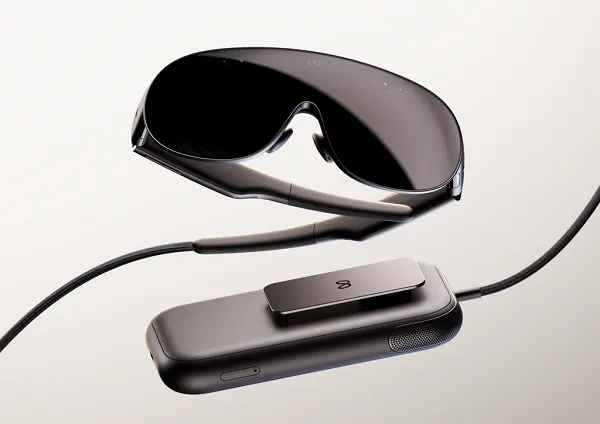
The new device is lighter and more comfortable to use than previous iterations, and it also includes more advanced tech elements to power all-new VR experiences.
But it’ll be costly. Meta said that the device will cost $1299 at launch, which is more than double the current price of a Quest 3.
Given the general lack of consumer interest and engagement with VR, that seems like a big ask. Then again, if Meta invests more into VR development and the integration of its creative AI tools into the VR environment, that could spark a new wave of interest in the tech.