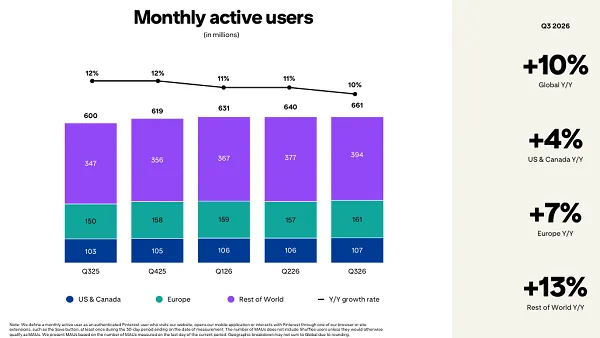
Pinterest published its third-quarter 2026 results on Oct. 29, which showed that the platform saw a significant boost in user growth in the period.
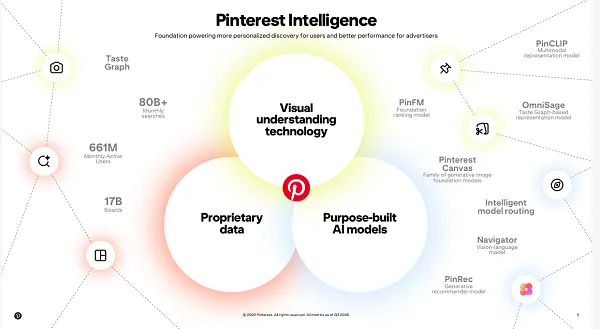
Indeed, Pinterest added 21 million global monthly active users versus Q2, with the platform now up to 661 million MAU.
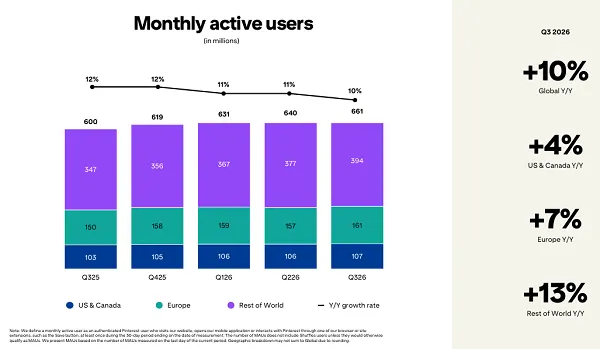
A major positive for Pinterest this time around is that its European user growth is trending back up, after stagnating, and even declining over the past year.
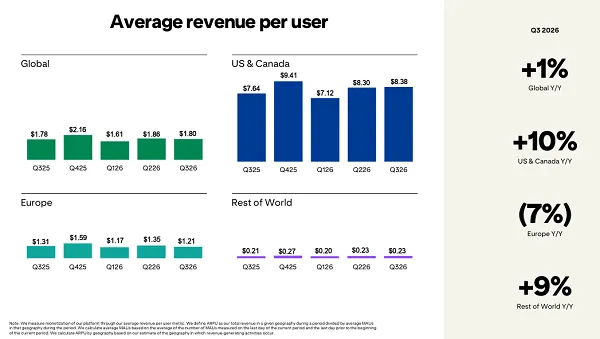
That’s particularly relevant for at least in the immediate term, because Pinterest still generates a lot more revenue from its users in the U.S. and Europe, as opposed to the “Rest of World” segment.
Though the majority of Pinterest’s user growth is still happening in the Rest of the World category, with Pinterest adding 17 million more users in markets outside the U.S. and Europe.
In its accompanying notes, Pinterest said that Gen Z now represents 57% of its audience. It also reported that in-app engagement is rising among users in the U.S. and Canada, with more activity across search, board creation and outbound clicks.
In order to capitalize on its rising user growth, Pinterest said that it hopes to implement a similar business growth strategy to what led to its re-accelerated growth in the U.S. and Canada. Meanwhile, it also launched its programmatic buying solution in all regions.
In terms of Q3 revenue, Pinterest posted $1.17 billion, representing a 12% year-over-year increase.
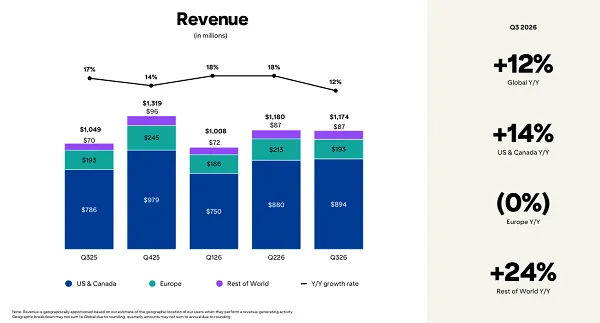
Pinterest said that revenue in the U.S. and Canada increased 14% year over year, while international revenue growth was primarily impacted by regulatory changes in Europe that impacted cross-border selling.
Pinterest also highlighted its continued improvement in ad relevance, with its expanding array of signals now being integrated into its broader AI-powered targeting process.
The company is also seeking out more opportunities to build on its revenue options through the aforementioned programmatic solution and more partnerships.
On that front, Pinterest has been developing more ways to help creators make money from their content in the app, while also leaning into creator-driven recommendations to drive brand promotion opportunities.
Brands can now sponsor creator Pins related to their products, and Pinterest also has its own TV show on Roku TV, in which creators showcase products listed in the app.
Last month, Pinterest also launched visual search ads, which let advertisers place promotions in Pinterest search results and Pin close-ups.
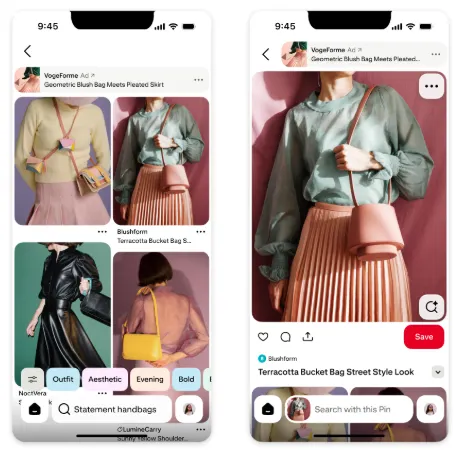
These tools should help advertisers tap into the high shopping intent of Pinterest users, with the platform now facilitating more than 80 billion searches per month.
Pinterest also continues to lean into AI-powered discovery, while also promoting its value as a complement to real-world experiences, as opposed to trying to keep people scrolling.
Strategically, Pinterest’s approach is well-aligned with its use case, and it’s seemingly not stepping out of its lane with radical AI updates that don’t align with discovery.
Yet, the platform is also contending with an influx of AI-generated content in Pins, which many users have cited as a concern.
It’s a balance that all platforms are working to get right, in providing new AI-powered tools to drive engagement while also limiting overuse and misuse of AI.
That’s especially relevant on a visual discovery platform, and it will be interesting to see if Pinterest looks to take a bigger stand against AI content in future.