YouTube’s ad growth slowed in the third quarter of 2026, with parent company Alphabet reporting that YouTube ads brought in $11.2 billion in revenue for the period. At the same time, YouTube’s subscription revenue is rising and the company is also developing more ways to build on creator revenue opportunities and drive more momentum in take-up.
First, YouTube’s Q3 ad revenue in 2026 grew 9% year over year, which is a slight slowdown from the 13% growth reported in Q2.
In addition to its ad intake, YouTube contributed to an 11% increase in Google’s overall subscription revenue, with YouTube Music and Premium now up to 150 million subscribers.
That’s up from the 100 million subscriber threshold that YouTube’s subscriptions reached in early 2024.
In Alphabet’s second-quarter earnings call in July, the company said that YouTube saw significant momentum in Premium sign-ups among connected TV viewers for that period as more people watched YouTube content as an alternative to traditional TV.
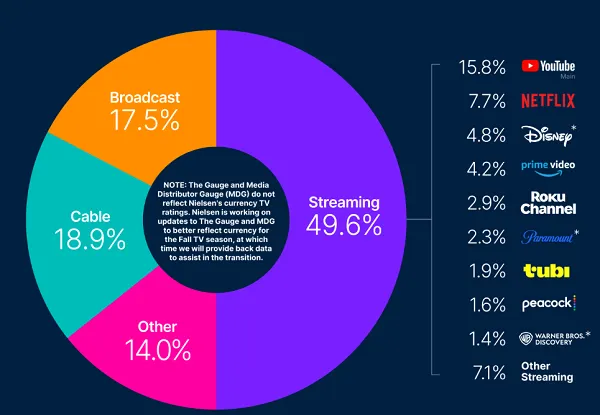
YouTube is now the top streaming platform in the U.S., according to Nielsen’s The Gauge report from Aug. 2026, which looks at U.S. TV viewing behaviors.
In an accompanying Q3 earnings call, Google Chief Business Officer Philipp Schindler said Living Room, YouTube’s connected TV experience, is becoming a bigger factor for YouTube revenue beyond just direct subscriptions, and accounted for more than one-third of total YouTube ads revenue.
Schindler also said that it continues to see strong SMB adoption of its Demand Gen products. Meanwhile, more than three million creators are now available as part of YouTube’s partnership program.
Schindler also highlighted the platform’s increasing momentum in e-commerce, with more than 1.3 million channels now enrolled in YouTube’s shopping program. YouTube recently announced a new affiliate partnership with Amazon, which will let U.S.-based creators tag Amazon products in their videos, Shorts and livestreams, significantly expanding promotional and creator monetization opportunities.
Finally, Alphabet also discussed the increasing use of AI to improve YouTube ad targeting and increase creative output among users.
“Every day, more than 20 million videos are being uploaded,” Schindler said. “We're making creation easier with new generative AI tools in YouTube Studio, plus a conversational editing assistant in Shorts and YouTube Create.”
On that front, YouTube added an AI-powered reimagine option for Shorts in March, which enables viewers to generate an alternative video based on another creator’s clip. YouTube also tested an Extend with AI option that allowed creators to generate alternative video endings.
That is seemingly driving more AI adoption. Last week, YouTube published a report that found that 61% of people who have posted videos in the app over the past 12 months said they were interested in using AI to insert themselves into video content.
As with all platforms, YouTube will have to contend with AI slop, but the data suggests that YouTube’s AI-powered creative additions are resonating with users.