It seems that YouTube is trying to compete with traditional TV on every front, with the platform now testing longer ad blocks within content viewed on TV sets.
Reddit user Ok_Neat1652 shared this image in the r/youtube subreddit yesterday:
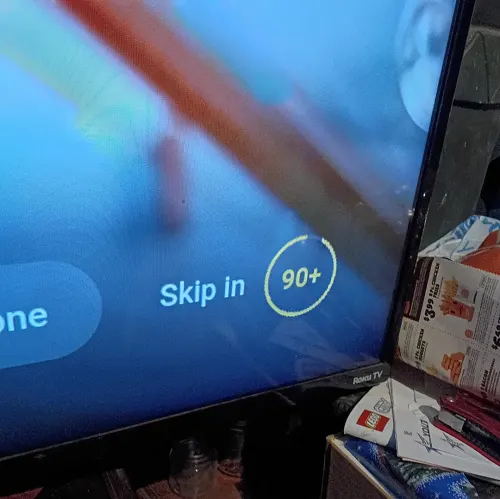
The user said this appeared within a 40-minute YouTube video, signaling the potential launch of the longest ad blocks YouTube has ever initiated, presumably as part of the company's expanded effort to derive value from CTV viewers.
Though it’s not officially launched yet.
YouTube’s official overview of non-skippable in-stream ads still lists 60 seconds as the maximum length, with the longer formats for CTV specifically added in order, YouTube said, to remain competitive with other streaming sites that offer longer non-skippable ads.
As reported by Android Authority, YouTube has also experimented with super-long ad blocks, sometimes up to an hour in length, as part of the company’s expanded effort to disincentivize the use of ad blockers. These super ad breaks only appear only when ad blocker usage is detected.
But these 90-second unskippable ads are a different experiment, and are not intended as a punishment. YouTube is seemingly trying them out as a means to measure how much they actually annoy people who are watching content on their TV sets, with a view to expanded CTV inventory, if there's not a user revolt.
And given that people are now accustomed to watching longer ad breaks on TV, YouTube may be onto something, with the format essentially mirroring traditional TV ad scheduling.
YouTube CTV viewership is rising, with users now watching more than a billion hours of YouTube content on their home TV sets every day. YouTube is also the top streaming platform by watch time in the U.S., with almost as much cumulative watch time as both Netflix and Disney+ combined. The platform is trying out a range of expanded viewing options to better align with this, including topic-based video channels that would replicate the more casual approach to TV viewing.
Within this context, maybe longer ad breaks make sense, and could become an accepted element, helping to expand YouTube’s ad business.
YouTube hasn’t provided any official information on the 90-second ad test.