YouTube is arguably the most influential platform in the world, with various studies underlining the popularity and presence of YouTube in virtually every demographic group.
Trends that stem from YouTube are increasingly bleeding into every other media element, and people are now consuming YouTube content the same way they watch traditional TV shows, further solidifying and enhancing its popularity.
That also means that YouTube’s massive reach could help brands connect with their target audience and increase exposure for their products and services.
Here are some key tips for marketers looking to build an effective YouTube presence.
1. Research industry trends
Marketers can find out what’s trending on YouTube by visiting Google Trends, entering whatever key term they want to search and filtering that by YouTube Search.
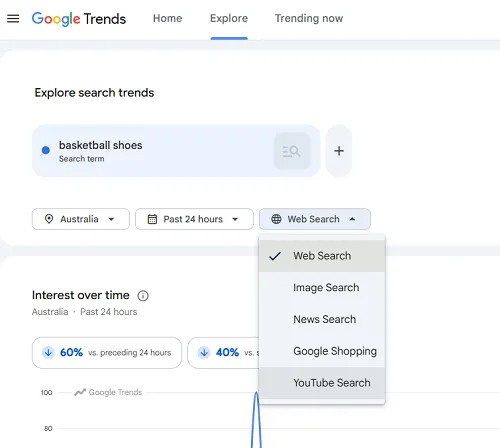
This will provide more perspective on overall search interest, related terms and rising queries for any given topic.
Based on this, marketers can build a broader view of what YouTube viewers are interested in and align their brand content accordingly.
2. Find relevant creators
Brands can also use the search feature in YouTube’s creator partnerships tool, which is available via YouTube Studio. This feature lets marketers research the top creators in any niche.
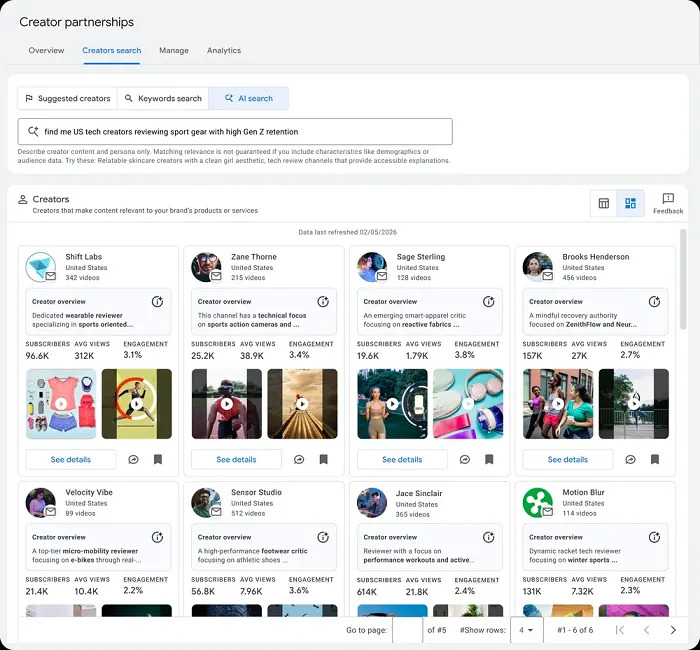
The creator partnerships tool facilitates keyword and conversational searches, powered by Google’s Gemini artificial intelligence model. It offers more ways for brands to match the right creators to a campaign, and it includes data on creators’ subscriber counts and engagement.
3. Research what’s working
Based on these notes, marketers can dig into the specific content and creators and see what they’re posting about. Brands can also discover what content formats creators are using and discover what’s resonating best.
4. Shorts tips
Given the rising popularity of Shorts in the app, brands that want to maximize their YouTube exposure are going to want to utilize Shorts.
Short-form videos are especially focused on showcasing attention-grabbing content, so brands may want to partner with relevant creators to ensure they reach the right Shorts audience. YouTube has also provided tips on how to create Shorts, which may help brands make their own engaging short-form content..
5. YouTube shopping
YouTube wants to increase in-app shopping-related activities. As such, its shopping affiliate program should be another consideration for brands. Marketers can connect their stores to YouTube, which then allows creators to tag branded products in clips.
6. Formulate a strategy
After laying the groundwork, marketers can formulate a larger YouTube content strategy built on a data-backed approach that will lean into the latest trends in their niche.
7. Analyze and improve
Once a strategic approach is in place, marketers can use YouTube insights, available in YouTube Studio, to examine what’s working and what’s not, and build on their best approaches.
YouTube is a key connection platform for billions of people and as such, it can also be a powerful tool for brand promotions. By researching and understanding the key trends and approaches, marketers will be able to hook into the right elements to boost their efforts.