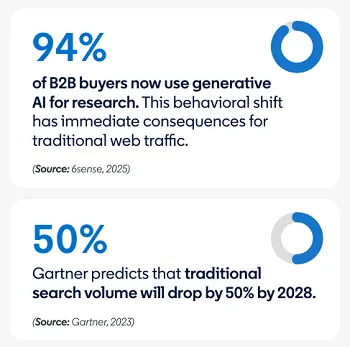
LinkedIn published a new playbook on how to optimize content for artificial intelligence chatbot citations. The guide explains how to use LinkedIn to boost brand credibility, which is a key signal for AI chatbots.
LinkedIn has been heavily invested in highlighting its value as a vehicle to help businesses improve their presence in AI replies. This has become more important as people increasingly turn to AI chatbots for answers, and as LinkedIn becomes a key resource for AI tools.
Indeed, third-party research showed that LinkedIn is one of the most-cited references for AI chatbot answers. This means there’s clear value in leaning into the app to connect with the rising number of people using AI for search.
LinkedIn said brands should look to adhere to a new framework for optimization, which it’s calling “The Credibility Stack,” in order to optimize for AI citations.
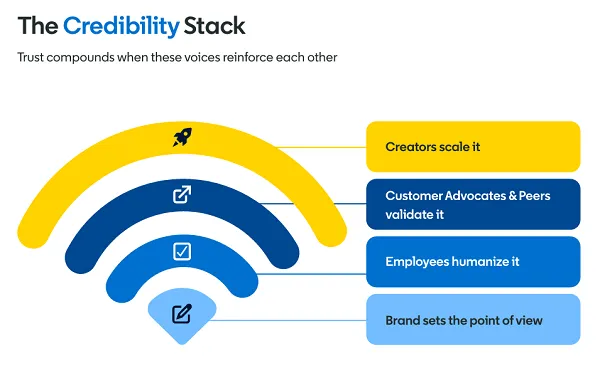
The process uses LinkedIn’s established credibility and algorithm signals to scale relevant messages, employing different elements of the app to build a more comprehensive, trusted brand presence.
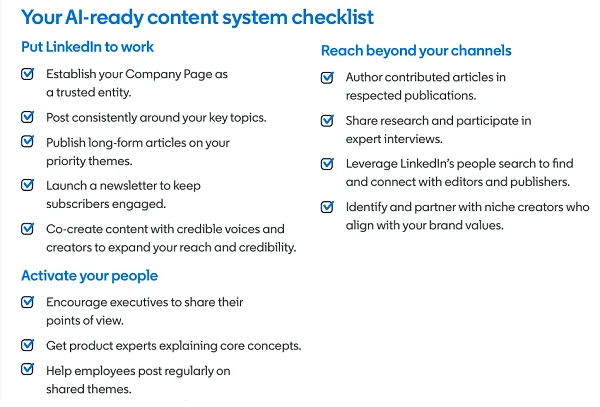
LinkedIn shared an overview of how to do this, with a checklist of steps required to build a foundational presence in the app, and how to use that presence to branch out through staff profiles and relevant creators.
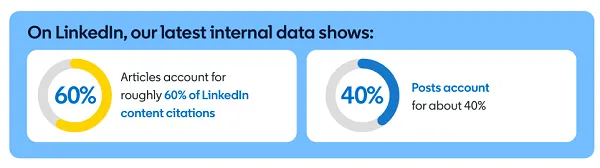
LinkedIn also shared insight into the specific content types that attract AI citations, noting that long-form articles in the app perform better than feed posts.
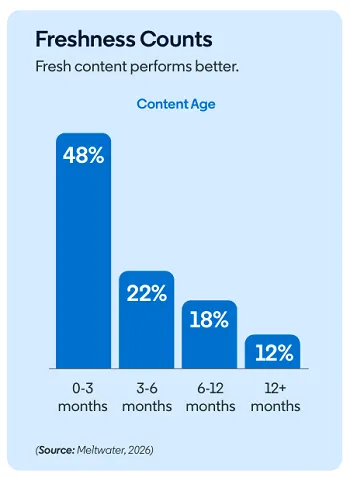
Content freshness is also a relevant consideration, LinkedIn said.
With this in mind, LinkedIn also provided notes on how to optimize long-form articles and posts in the app, with a specific view to attracting the attention of AI models.
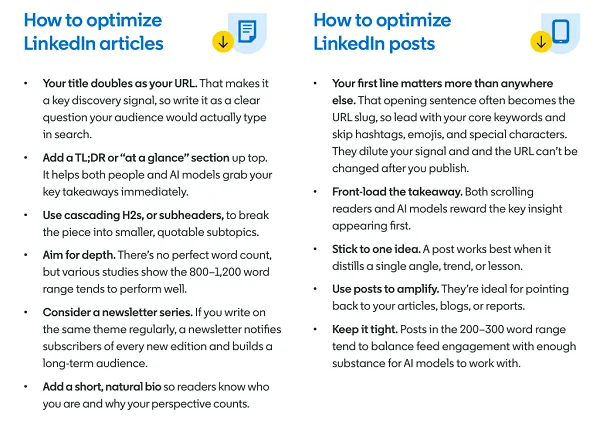
These notes could help brands build a stronger presence on LinkedIn, and could subsequently increase their prevalence in AI citations.
At the same time, LinkedIn wants to focus on AI citations to boost usage and traffic in the app and drive more businesses to rely on its platform app as a key connector to AI discovery.
For brands, building reliance on any platform in this way is a risk, as AI tools could de-prioritize LinkedIn or LinkedIn could change the rules.
A better approach would be to use these guide notes to build an AI citation strategy on owned properties, such as a brand’s own website. However, that is harder to achieve without the trust signals that LinkedIn has already established.
But essentially, the guide notes are the same, and there could be ways to use LinkedIn as a referral tool to boost a brand’s website credibility, as opposed to entirely relying on the LinkedIn connection.