Meta is testing a new, separate direct messaging app, which aims to expand Instagram DMs to its own platform, and could help Meta soften the impacts of expanding teen social media bans.
Called Direct, this latest app is aimed at teenagers, and offers a range of creation tools and features that align with teen usage behaviors.
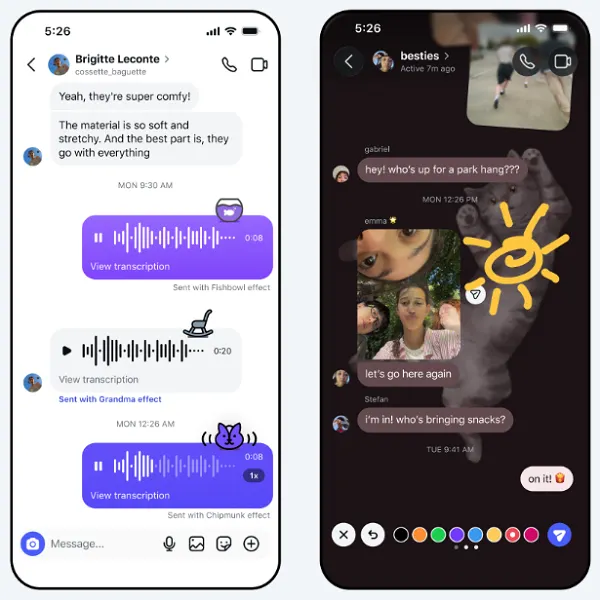
As shown in these example images, Direct users draw on their chat threads, view inbox notes — a feature ported from IG — add stickers and voice effects, and more.
None of which is overly surprising, because Meta has actually launched this exact app before.
Back in 2017, Meta launched a messaging app for younger users, which was also called "Direct," and looks very similar to this new iteration.
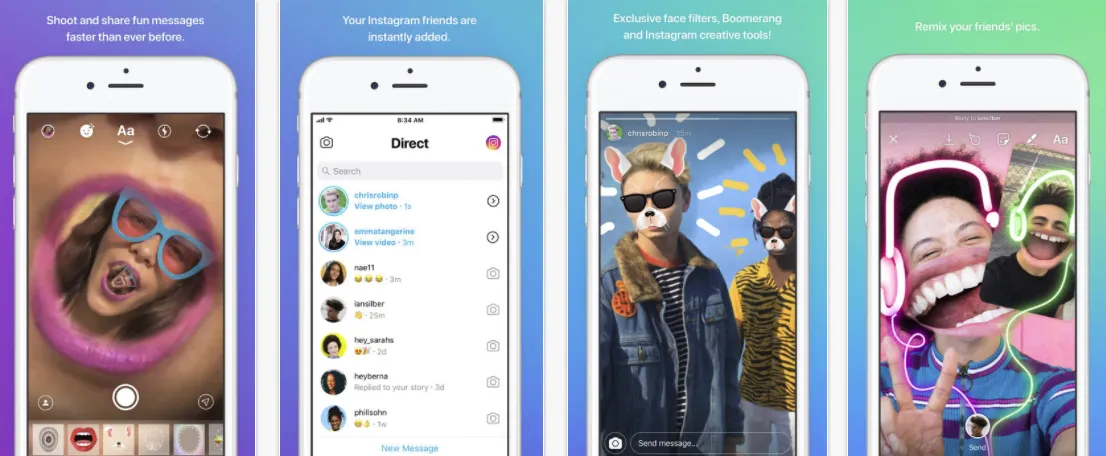
That version of Direct was also focused on fun DM interactions, and included elements like drawing and effects in order to appeal to younger audiences.
Which obviously didn’t catch on then, so why is Meta now treading the same path, and trying, once again, to facilitate DM interaction between younger users?
Well, primarily, because Snapchat is struggling.
Snapchat’s user growth has stalled in the U.S. and Europe, with the app’s daily active user counts actually declining in both markets throughout the year.
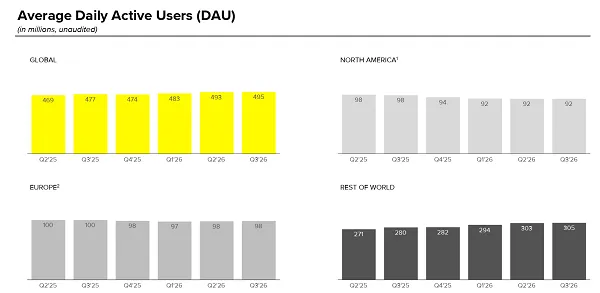
With interest in Snapchat waning, Meta likely sees an opportunity to step in and provide an alternate platform for teen DMs.
It’s also worth noting that Meta launched an initial test of Direct in Turkey, which just this month enacted restrictions on social media usage for users under age 15.
As reported by Politico, Turkey’s social media ban for users under age 15 came into effect on Nov. 1. The law relates to all foreign-originated social media apps, but messaging apps are not included in the restrictions.
As such, Meta likely sees an opportunity to step in and scoop up any teens who may get booted from Snapchat as a result of this update.
Of course, Instagram and Facebook will also be impacted by these restrictions, and providing an alternative option for teen connection could ensure that Meta can soften any potential usage impacts. But an alternative messaging app won’t necessarily reduce the impact on its ads business, as it’s unlikely to inject ads into a DM focused app.
This is why Snapchat is likely the bigger focus, in terms of diluting its market share and increasing Meta’s own dominance.
In February, Snapchat reported that it had locked or disabled over 415,000 user accounts in Australia that the company identified as belonging to users under age 16, in line with Australia’s teen social media restrictions.
Australia’s population is around a third of Turkey’s, which points to the potential opportunity if Meta can replace Snap. Meta is also testing Direct in Thailand as well, which is also considering tougher teen social media restrictions, according to Thai PBS World.
Meta could use this as an opportunity to become the next critical platform for teen user engagement, with the scale of its other apps helping to promote its direct messaging app to users who would be impacted by these bans.
Meta also said that Direct will include a range of advanced protection measures, and will be subject to Meta’s parental supervision tools.
It’s an interesting tactic, though it will likely raise the eyebrows of local officials, who could see this as an attempt by Meta to circumvent social media restrictions. However, the logic applied to teen social media bans, in terms of content exposure, doesn’t necessarily apply to messaging apps.
And if Meta has the scale and capability to quickly scale messaging platforms faster than its competitors, it makes sense. And given that it’s already launched the exact same app once before, the broader effort here is likely worth the test.