Meta launched another element in its agentic artificial intelligence push with its Muse for Small Business package, which offers a range of functional options and tools that can help SMBs implement AI within their workflows.
Building on the consumer launch of personal Muse agents, Meta now wants to provide SMBs with similar dedicated agentic tools. The new SMB offerings are designed to facilitate more operations and drive efficiency, while also improving workflows via conversational requests.
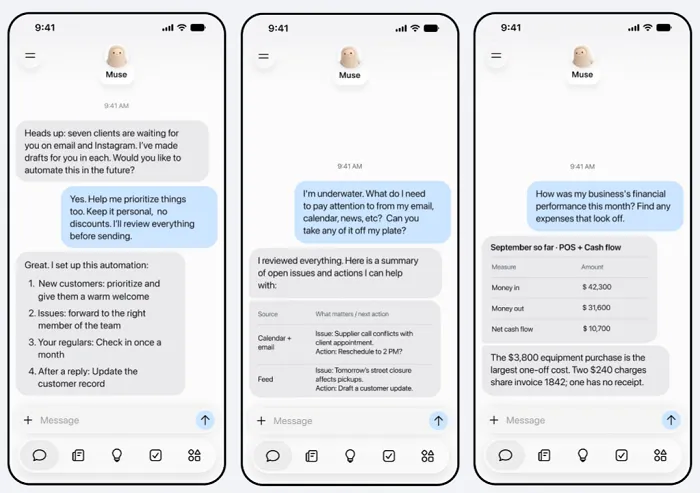
The main element of the Muse SMB expansion is Muse connectors, which are partner apps that enable Muse to connect with their tools and facilitate functions.
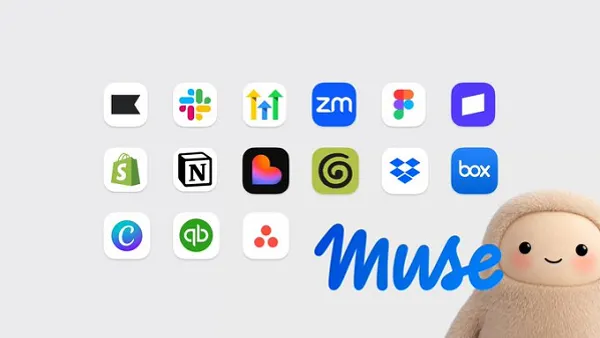
Meta announced a range of new connection partners including Zoom, Figma, Canva, Stripe, GitHub, QuickBooks, Slack, Shopify and more.
These new platform partners come in addition to the connections Meta offers with its own tools and analytics. The expanded connectors and functions will enable small business operators to initiate automated functionality in order to streamline activity and set up independently operated flows that can work in the background.
Which, apparently, is already happening.
Meta Chief AI Officer Alexandr Wang said that many small business owners including plumbers, grocery store owners and farmers are already using Muse agents to find efficiencies in their businesses.
In terms of specific functionality, Meta provided a range of examples showing how SMBs can use Muse agents to improve workflows:
- Improve content and acquire new customers: Muse users can ask an agent to analyze their content and create promotional campaigns.
- Manage cash flow and seek out additional savings opportunities: Muse can assess a business’s financial performance and highlight potential concerns or opportunities.
- Improve customer communications: Muse can alert SMB owners to connection opportunities and draft responses.
- Develop business and marketing plans: Muse can analyze existing marketing plans and provide recommendations for potential improvements.
Meta is also developing a way to use Muse to help set and reach business goals, which could provide options to align Muse towards specific targets.
All of this, of course, depends on the extent of connection that SMBs facilitate. This remains a key point of contention because it hinges on how much people trust Meta to access their data through Muse tools.
Meta reiterated that users remain in control of Muse agents and that nothing is published, sent or spent without explicit consent. But even so, enabling that level of control within business operations feels risky, and it’ll be interesting to see just how comfortable SMB owners are in enabling Meta’s tools to dig into their operations.
But on a basic level, using Muse to request tips and advice about Facebook and IG strategy could be worth a look. Testing Muse's capacity to uncover efficiencies and provide recommendations seems like the logical entry point, based on Muse’s connection to Meta’s native tools.