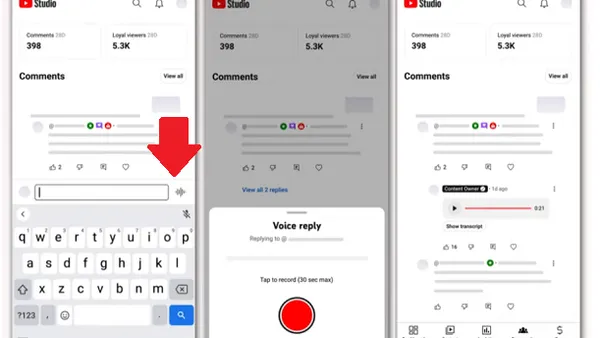
Amid ongoing discussions about the impacts of social media on young users, YouTube is rolling out some new updates to its parental controls, which will enable parents to manage their kids’ screen time, with specific elements for Shorts versus the regular YouTube feed.
Because like TikTok and Reels, the never-ending Shorts feed of video clips can be addictive, and can keep people scrolling longer than they intend to.
In order to help manage this, YouTube will now give parents a new option to implement a “Shorts Feed Limit,” so they can set an amount of time that their kids can scroll through Shorts.
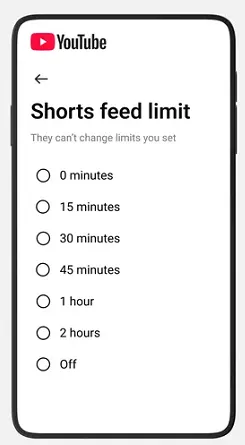
As explained by YouTube:
“Parents can now help teens be even more intentional about how they watch, with a control to set the amount of time spent scrolling Shorts. And soon, parents will see the option to set the timer to zero. For example, they can set the Shorts feed limit to zero when they want their teen to use YouTube to focus on homework, and change it to 60 minutes during a long car trip to be entertained.”
So parents will now have more capacity to manage when their children are allowed to scroll through Shorts, which could address concerns around them wasting hours mindlessly swiping through the feed.
If, of course, those parents are actually using YouTube’s parental controls, and are able to oversee that detail, while it also depends on how kids are viewing YouTube (i.e. if they’re logged in). That’s a whole other element, but it provides another option that will enable parents to better manage their kids’ time in the app, which could provide more assurance.
Which leads into the next update: YouTube’s also rolling out an updated sign-up/sign-in experience which will enable parents create accounts for their kids, and easily switch between accounts in the mobile app, depending on who’s watching.
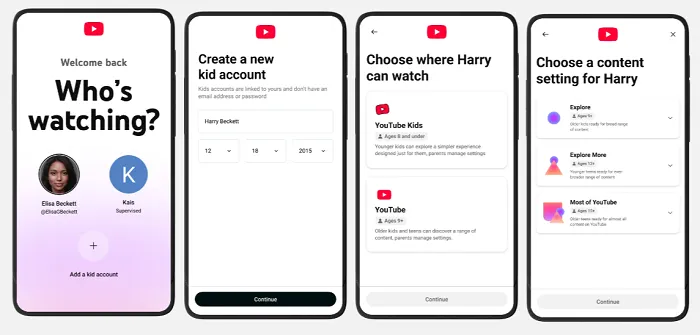
So it’s more like the Netflix or Disney+ style of log in, where each account’s individual settings will be customized based on each user.
That’ll give parents another way to ensure their kids are having a safe viewing experience, by choosing what level of content exposure they’re comfortable with for their kids.
And YouTube is confident that its content filtering tools do keep kids away from harmful content, which, in its view, provides a better approach than trying to ban teens from the app.
“We believe in protecting kids in the digital world, not from the digital world. That’s why we’ve spent over a decade building tailored products and built-in protections for our youngest viewers.”
This is a core tenet that all the major platforms have argued in response to proposed (and enacted) teen social media bans, that online platforms now play such a significant role in social connection that blanket bans simply won’t work, and a better approach is to provide more protective measures in-stream.
A key concern about blanket bans, like the new rules in Australia, is that this will push teens to less regulated, less secure platforms instead, whereas YouTube, and other mainstream apps, have spent years implementing protections.
It’s a solid argument, but even so, more nations are reportedly looking to follow Australia’s lead in implementing higher age thresholds for social media access.
Which, in many respects, feels more like a ploy to win over older voters than one rooted in what’s best for kids.
Finally, YouTube’s also introducing new principles, as well as a creator guide “to steer teens toward content that is fun, age-appropriate, higher-quality, and more enriching.”
“Developed in partnership with our Youth Advisory Committee and the Center for Scholars & Storytellers at UCLA and supported by global experts from the American Psychological Association, Digital Wellness Lab at Boston Children’s Hospital, and other global organizations, these principles outline the types of content that are deemed to be low quality and high quality for teen audiences.”
So, more teen protections, more guidance on beneficial YouTube usage, and more ways for parents to oversee and manage their kids’ time.
Will that slow the push for all young teens to be booted from social apps? Probably not, but there is logic in YouTube’s various counterarguments.