LinkedIn shared new tips for B2B marketers looking to maximize their promotional campaigns. The platform’s three-step framework for product launches aims to tap into buyer behavior and avoid common pitfalls of advertising approaches.
According to Robert Yanik, LinkedIn’s product marketing and GTM Leader, many B2B campaigns focus too much on the immediate spike in attention following the launch of a campaign. Meanwhile, they may not take into account the cumulative effect of building a brand presence in order to maximize campaign resonance and connection.
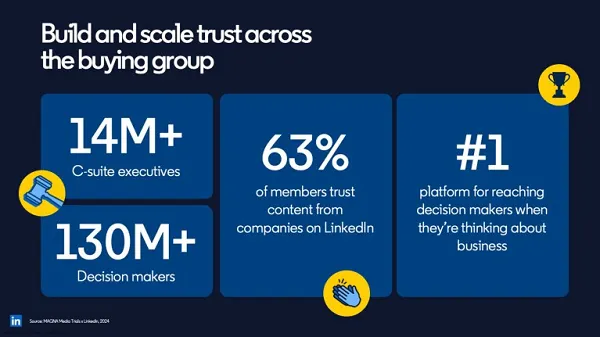
As per Yanik: “Buyers don’t act on product announcements or corporate press releases. They act on confidence. That confidence is built through signals of trust from peers, executives, and recognized creators who understand their problem.”
Yanik added that a single trust signal carries minimal weight, but a coordinated ecosystem of credible voices can shape market perception. “87% of B2B buyers rely on content from trusted industry creators to validate their choices,” Yanik said.
In order to maximize the potential of B2B campaigns, Yanik advised marketers to set up their promotions early by establishing a presence, with LinkedIn being a key platform for driving B2B connection and engagement.
LinkedIn’s three-step strategy for B2B promotions is:
- Ramp – In the Ramp phase, brands need to build awareness, sometimes weeks before a product announcement. “You can’t build authority on launch day, you have to earn it in advance,” Yanik said. He advised brands to use sponsored posts to promote themselves and establish credibility. Yanik added that video content can drive 3x higher engagement than static posts, while members exposed to video are 1.6x more likely to take action later.
- Launch – The second phase aims to maximize high-impact placements. Yanik said that Premiere video ads and CTV promotions can help to maximize reach to the right audience, and reinforce key messages. He added that Thought Leader Ads can help to enhance credibility and awareness, while prompting staff to share brand messaging can also have a big impact on reach. “Your employees extend reach with networks 12x larger than company pages,” Yanik said. “This turns a single announcement into a credible market conversation.”
- Nurture – Finally, Yanik advised using re-engagement targeting in this final phase to continue conversations with audiences that interacted with launches. “This persistent visibility drives a 30% lift in overall campaign performance,” he said. Yanik added that Document Ads and Sponsored Messaging can help to continue driving home the promotional message, in order to maintain awareness.
According to Yanik, this diversified approach to launch marketing will drive stronger returns, and help marketers build influence across the buying journey, “sending trusted signals so your product is understood, remembered, and considered when decisions are made.”
These handy tips could provide valuable guidance for B2B marketers.